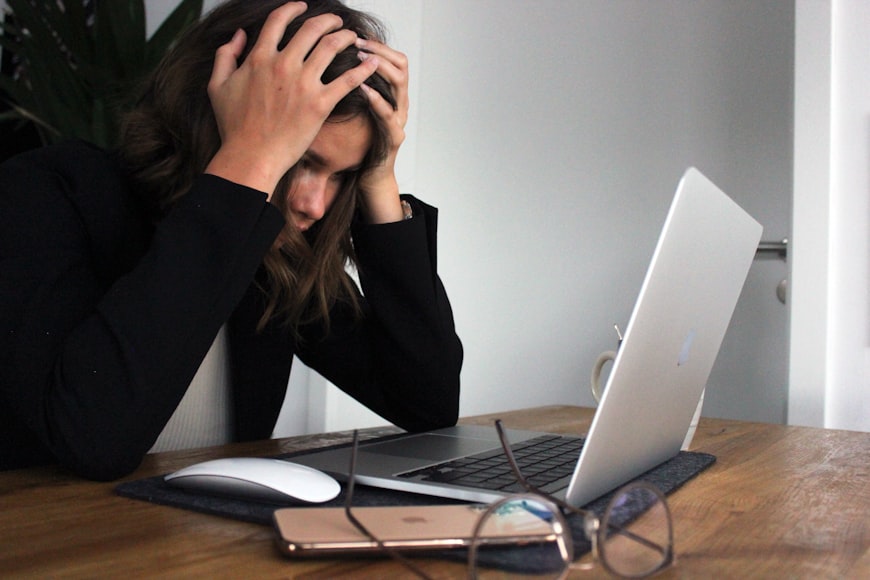
Post-traumatic stress disorder (PTSD) refers to a mental health condition that is caused by any terrifying event. The individual may witness or experience the terrifying event. Symptoms of this disorder include severe anxiety, flashback, and nightmares.
People also experience uncontrollable thoughts about the traumatic or terrifying event. They face issues in adjusting and coping. They can get better with good self-care with time. If symptoms of this disorder get worse then these symptoms last for months or even years.
Severe symptoms interfere with daily life functioning if you have PTSD. Effective treatment helps to reduce symptoms by improving functions.
Symptoms
Symptoms initiate within one month of a terrifying or traumatic event. Sometimes people do not get symptoms for years after the occurrence of that specific event. These symptoms lead to significant issues with work situations, relationships, and social life.
They can also interrupt your abilities to perform daily tasks. Symptoms may vary. Generally, there are four types of symptoms of PTSD. These types are given below.
Intrusive Memories
Following are the symptoms of intrusive memories.
- Unwanted and recurrent memories of the distressing traumatic event
- Flashbacks
- Nightmares about the terrifying or traumatic event
- Severe physical and emotional reaction to anything that reminds you of a terrifying or traumatic situation
Avoidance
Symptoms of avoidance are:
- Trying to avoid having thoughts or talking about the specific traumatic event
- Avoiding activities, people, and places that remind you of the situation or time that was traumatic
Negative Alterations In Mood And Thinking
Following are the symptoms of negative alterations in mood and thinking.
- Feeling numb emotionally
- Feeling difficulty experiencing the emotions that are positive
- Taking less interest in the activities individual enjoyed once
- A feeling of detachment from friends and family
- Difficulty managing the relationships that are close
- Memory issues
- Hopelessness about individual’s future
- Negative thoughts about people, oneself, and the world
Alterations In Emotional And Physical Reactions
Following are the symptoms of alterations in an individual’s emotional and physical reactions. These symptoms are also called arousal symptoms.
- Being frightened or startled easily
- Being on guard to face any danger always
- Trouble sleeping
- Overwhelming shame or guilt
- Angry outbursts and irritability
- Issues in concentrating
- Problems with sleeping
- Self-destructive behavior like driving too fast or drinking too much
Symptoms may differ for six-year-olds and younger. These symptoms are given below.
- Re-enacting specific traumatic events through play
- May having frightening dreams without the traumatic event aspects
Symptoms Intensity
PTSD symptoms can vary in severity or intensity over time. When you get flashbacks or experience general stress, you may also have more symptoms of PTSD.
Causes
When you see, go through or learn about the specific event involving threatened or actual death, sexual violation, or serious injury then you can develop post-traumatic stress disorder. Doctors are still not sure why some people suffer from PTSD.
PTSD can be caused by the combination of certain conditions in people who experience mental health issues. These conditions include:
- Temperament or inherited features of one’s personality
- Stressful experiences
- Inherited risk of developing any condition related to your mental health such as the family history of depression or anxiety
- The way your brain is regulating certain chemicals and hormones your body is releasing in response to stress
When You Should Go To A Doctor
Talk to your doctor if you think that you are facing problems in controlling your life, feelings, and thoughts and if you have disturbing thoughts that are severe. A mental health professional plans effective treatment for you.
It is good to take treatment of PTSD on time. It helps you to prevent the symptoms of this disorder from getting worse.
If You Are Experiencing Suicidal Thoughts
If you or anyone you know is experiencing suicidal thoughts, get help using one of the following resources.
- Go to a loved one or close friend
- Contact a spiritual leader of your community
- Dial a suicide hotline number
- Make an appointment and go to your mental health professional
When It Is Right Time To Get Emergency Help
Call 911 immediately if you think you are going to hurt yourself. People can also call on the local emergency number. Do not ignore the thoughts of attempting suicide.
If you know someone who has attempted suicide or going through such disturbing thoughts then make sure that he is living with a specific person who can take care of him. In case of emergency, take the person to the emergency room of the nearest hospital.
